Thermal duty
Capacity, evaporating and condensing conditions, superheat and subcooling assumptions.
OEM integration
A useful compressor discussion connects operating conditions, refrigerant, electrical architecture, controls and mechanical interfaces.
Assembly-reference context
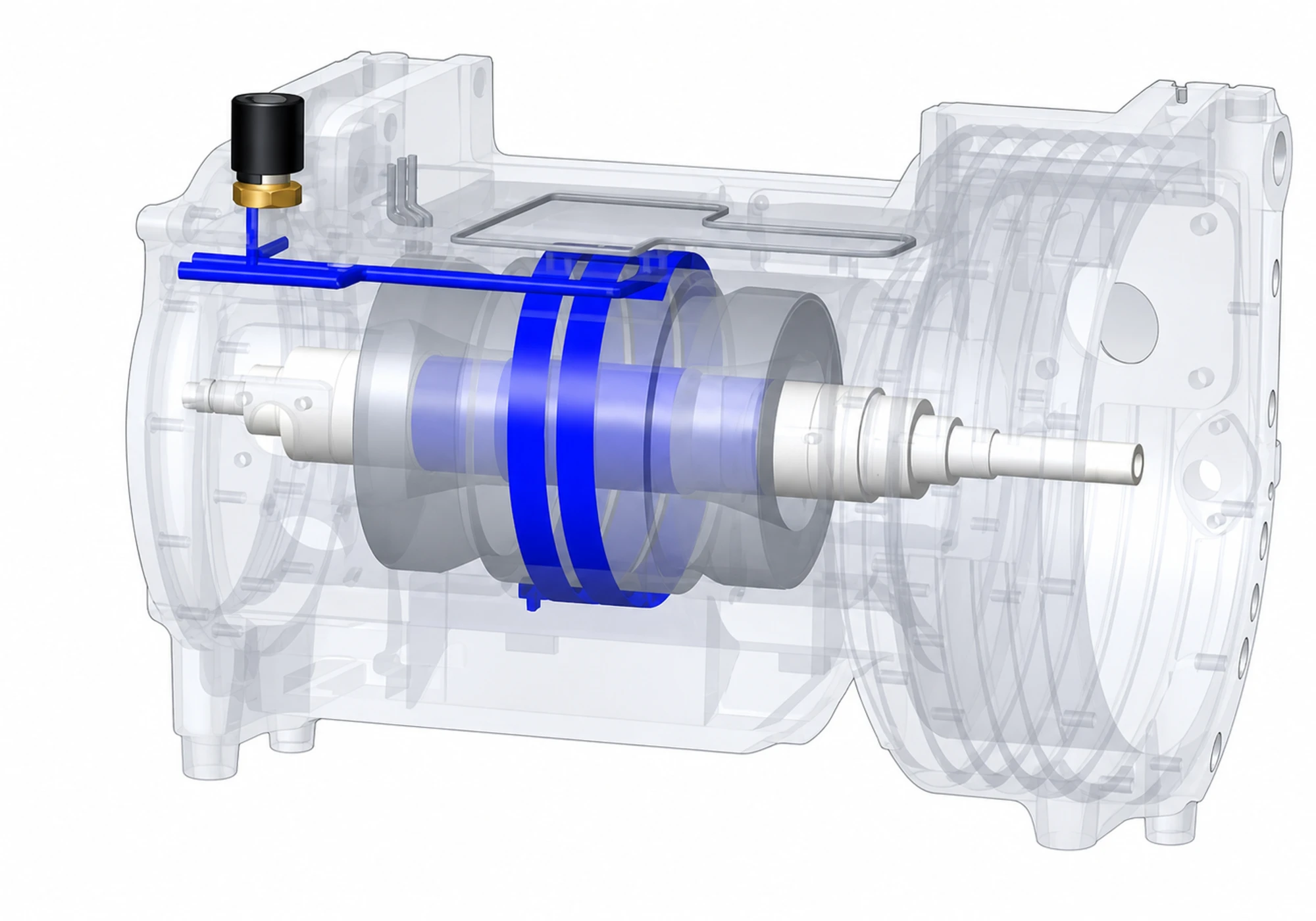
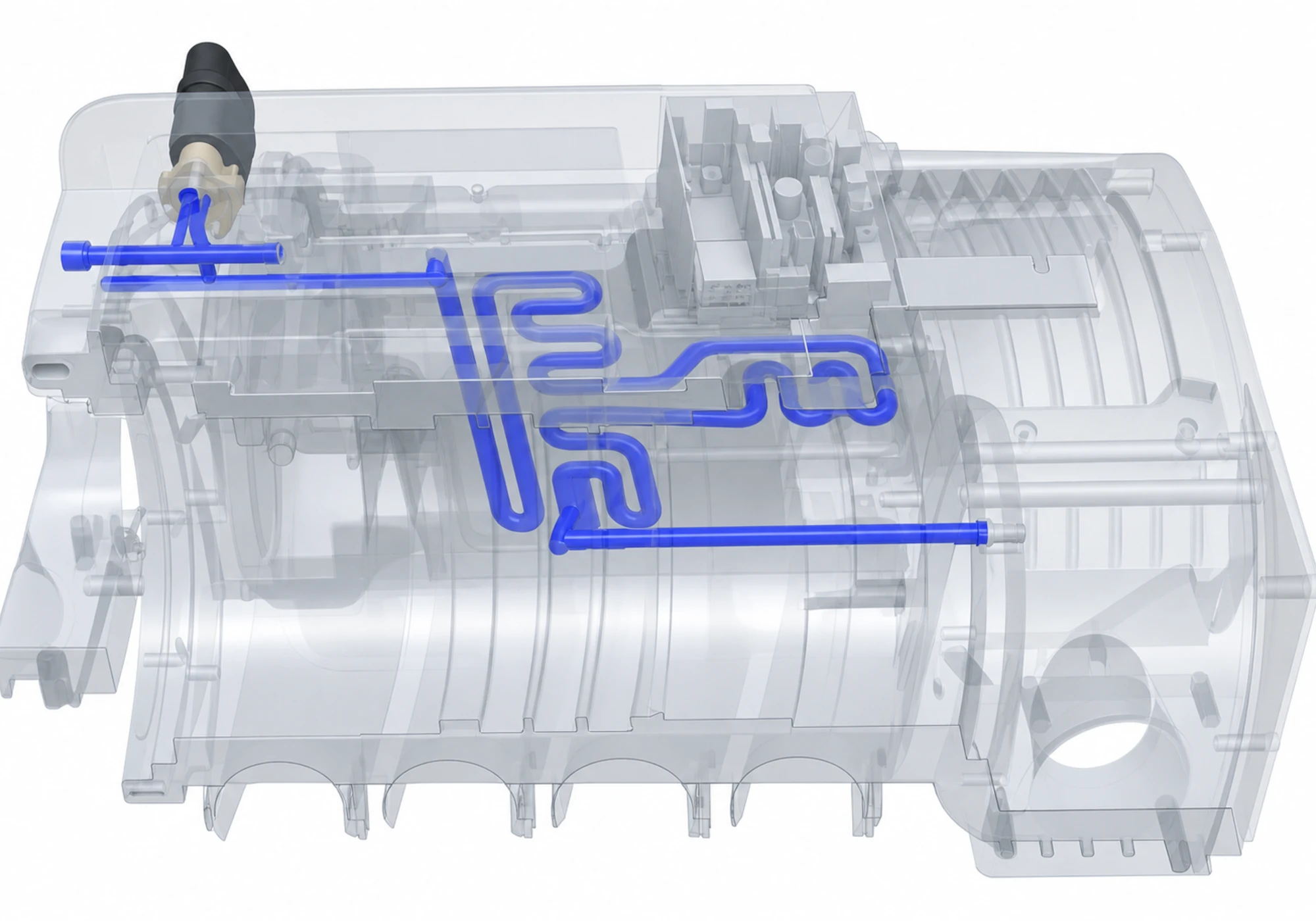
These are catalog technical illustrations—not fabrication, piping or installation drawings. Request the controlled model documents before packaging work begins.
Application intake
Incomplete inputs can support an initial conversation, but they cannot support final product selection.
Capacity, evaporating and condensing conditions, superheat and subcooling assumptions.
Ambient or water conditions, part-load profile, transients and expected annual hours.
Requested refrigerant, target region and applicable product-development timeline.
Voltage, frequency, power architecture, harmonics and restart requirements.
Chiller controller, communications, fault handling and supervisory integration.
Envelope, connections, mounting, piping, sound and service-access constraints.
Document path
Document availability, model coverage and revision status should be confirmed during the engineering exchange.
| Stage | Typical request | Purpose |
|---|---|---|
| Screening | Selection data and operating envelope | Family fit |
| Architecture | Dimensions, connections and electrical interface | Packaging review |
| Controls | Communications and protection interface | Controller design |
| Validation | Agreed test and acceptance plan | Qualification |
Selection boundary
Published family ranges help identify a starting point. Final compressor selection requires project-specific performance data, applicable documents and agreed operating limits.
Start an engineering discussion